Geographic reference for Santa's global navigation
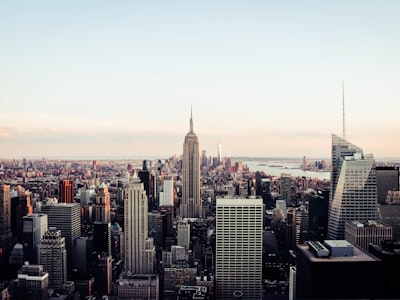
Manhattan sits on a narrow island where the Hudson River and East River flow into the Atlantic Ocean. Founded as New Amsterdam by Dutch settlers in 1626, it became one of the world's most famous island cities and America's largest metropolis.
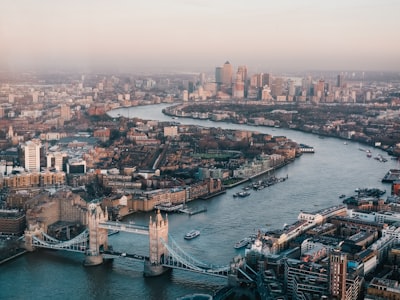
The River Thames winds through this ancient capital founded by the Romans in 43 AD. Greenwich marks the Prime Meridian—0° longitude—the invisible line dividing Earth into Eastern and Western Hemispheres.
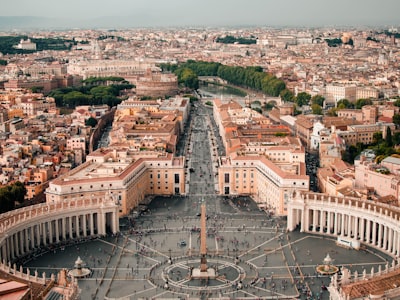
The "Eternal City" and "City of Seven Hills" straddles the Tiber River on the Italian Peninsula. Capital of the ancient Roman Empire, the Tiber flows 250 miles to the Tyrrhenian Sea, part of the Mediterranean.
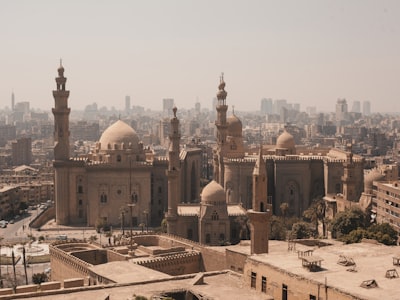
Cairo sits where the Nile—the world's longest river at 4,130 miles—fans into its famous delta before reaching the Mediterranean Sea. Africa's largest city lies just miles from the ancient pyramids of Giza.
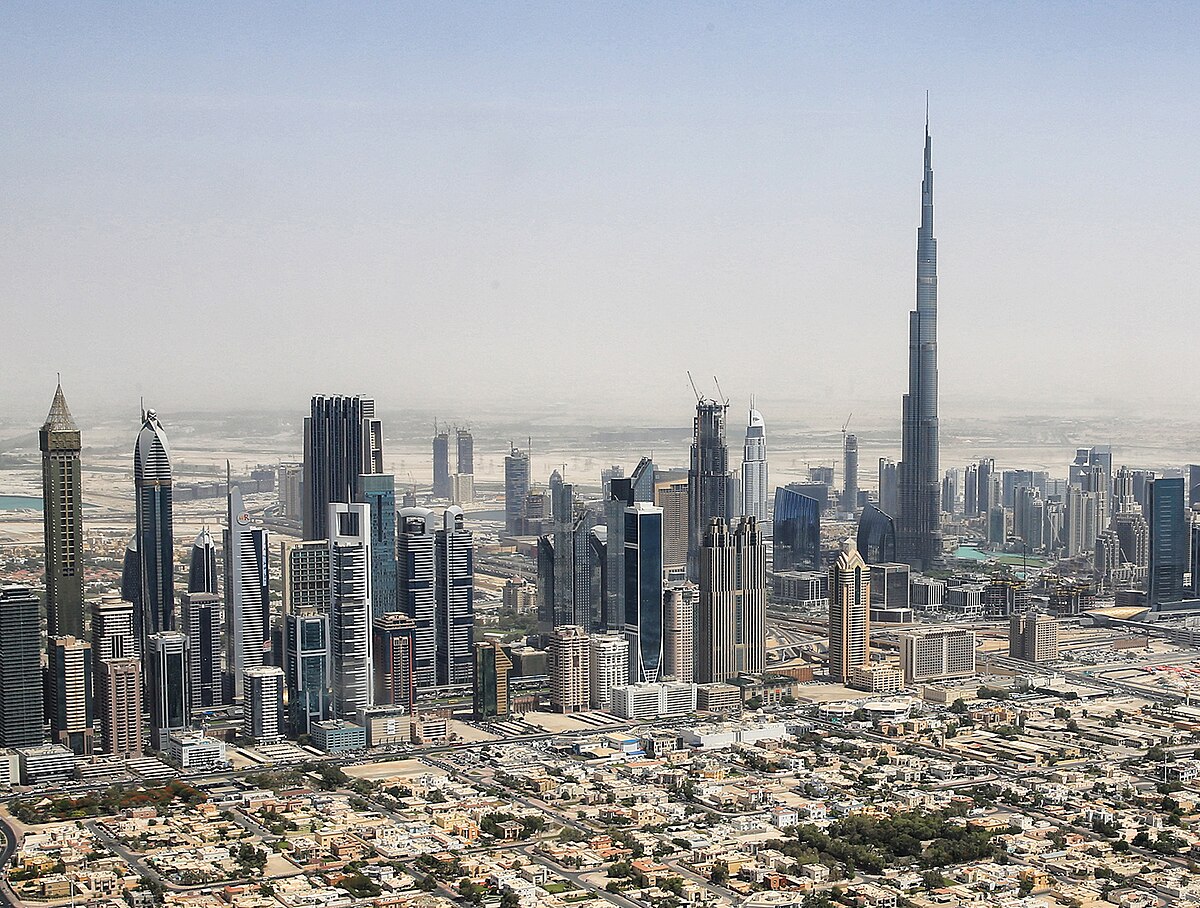
This ultra-modern metropolis rises from the desert on the Arabian Peninsula, overlooking the Persian Gulf (also called Arabian Gulf). Home to the world's tallest building, the Burj Khalifa, at 2,717 feet.
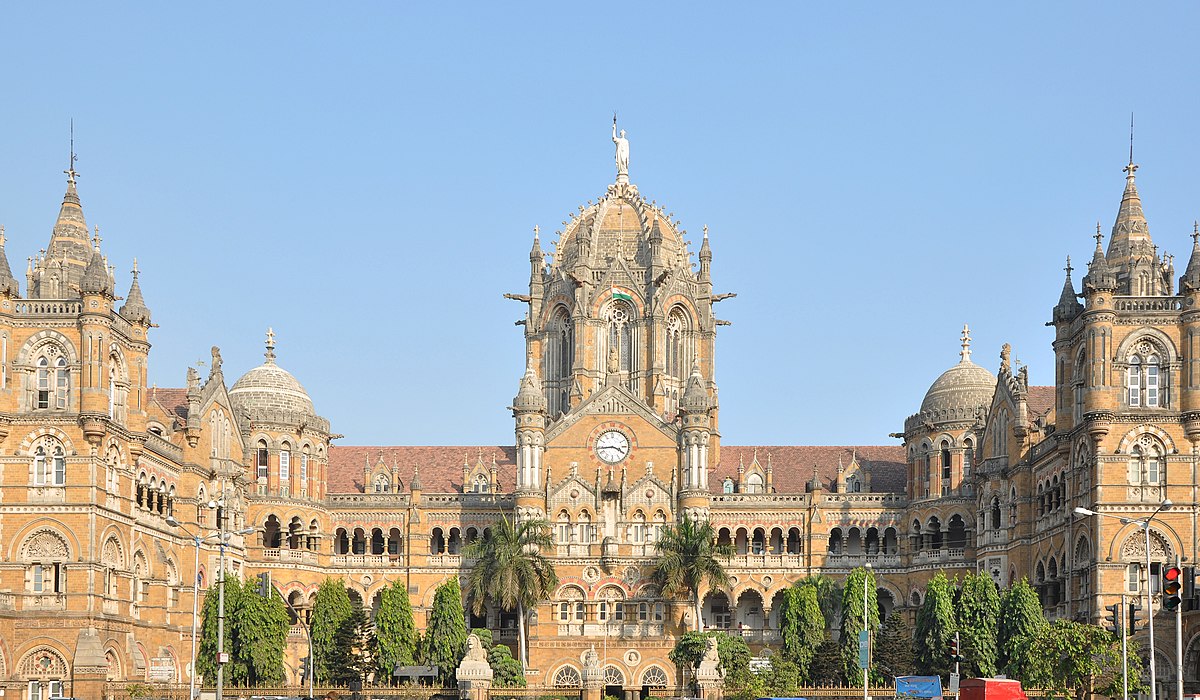
The "Gateway to India" occupies a peninsula jutting into the Arabian Sea on the Indian subcontinent's western coast. India's financial capital and home to Bollywood, the world's largest film industry by output.
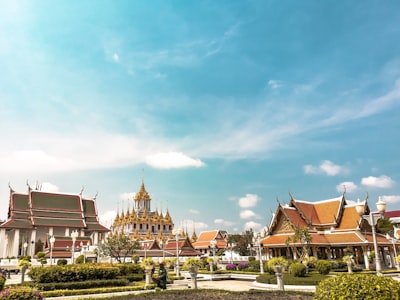
Thailand's capital sprawls across the fertile delta where the Chao Phraya River empties into the Gulf of Thailand. Known as the "Venice of the East" for its historic canal network and ornate Buddhist temples.
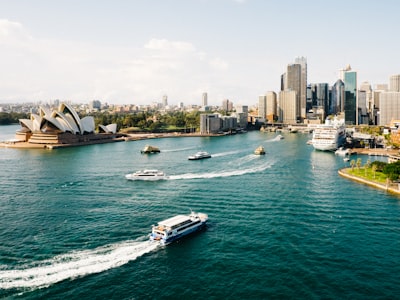
Australia's largest city wraps around one of the world's great natural harbors. Australia is the "island continent"—the only country that's also a continent—located entirely in the Southern Hemisphere.
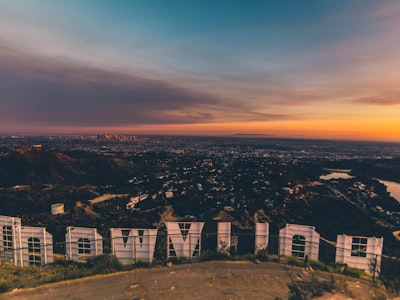
Sprawling along Southern California's coast where the San Gabriel Mountains meet the sea, LA faces the vast Pacific Ocean. America's second-largest city enjoys a Mediterranean climate with over 280 sunny days yearly.
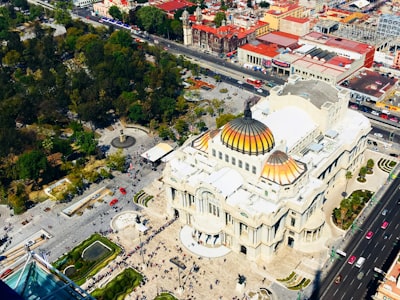
One of the world's largest cities sits 7,350 feet high in a mountain valley, far inland from any coast. Built on the ruins of the Aztec capital Tenochtitlan. Mexico borders the Gulf of Mexico to the east and Pacific to the west.
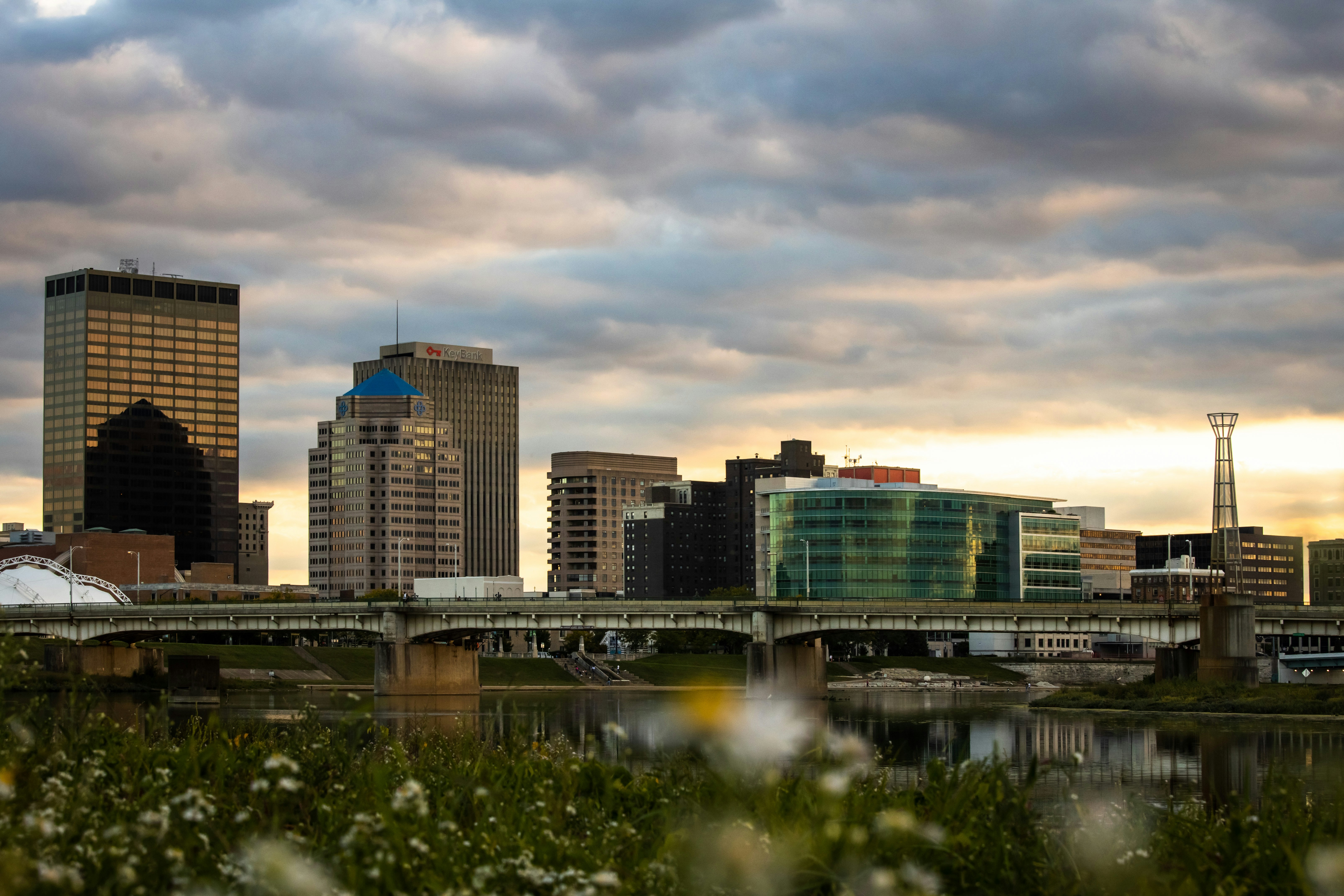
The "Birthplace of Aviation" sits at the confluence of four rivers in southwestern Ohio. Home to the Wright Brothers and Wright-Patterson Air Force Base. Located in the heart of the American Midwest.
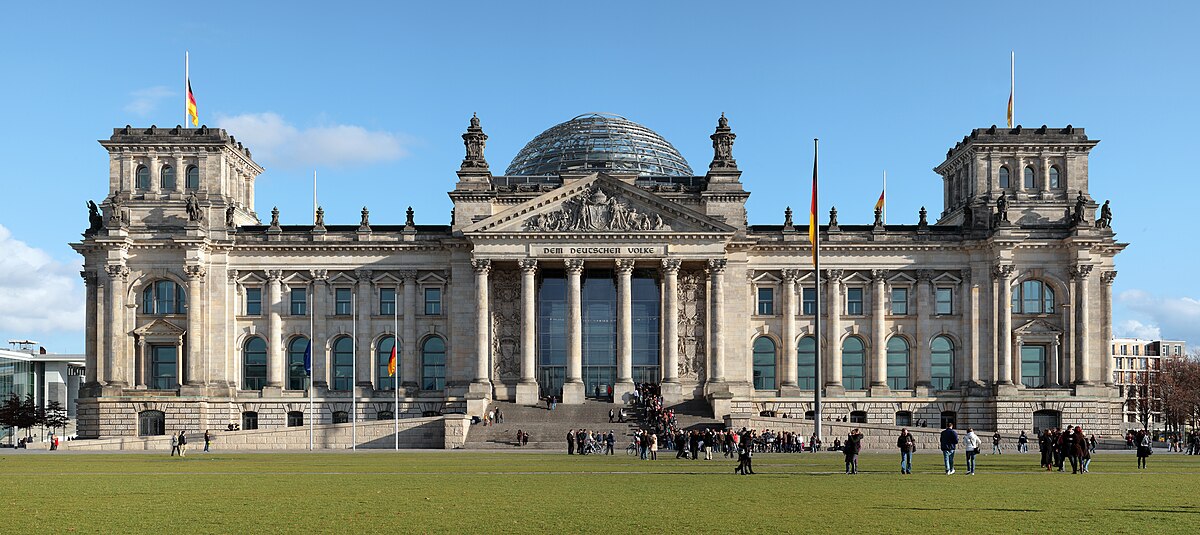
Germany's capital sits on the River Spree in the heart of Central Europe. Divided by a wall from 1961-1989, Berlin reunified to become the EU's largest city by population. The Spree winds through the city center.
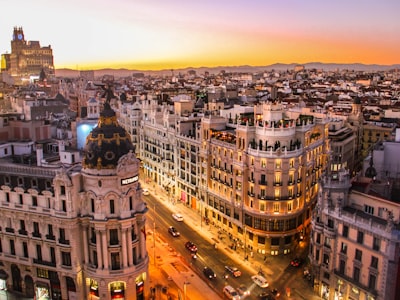
Spain's capital occupies the geographic center of the Iberian Peninsula—the large landmass Spain shares with Portugal. At 2,100 feet elevation on the Meseta Central plateau, it's the EU's highest capital city.
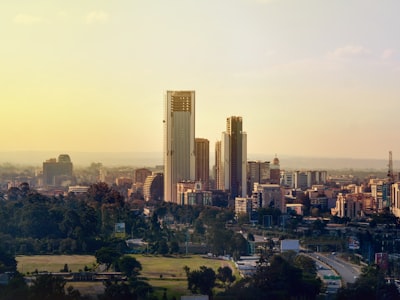
Kenya's capital lies just 85 miles south of the Equator in East Africa. This invisible line circles Earth at its widest point, dividing the planet into Northern and Southern Hemispheres. Elevation: 5,500 feet.
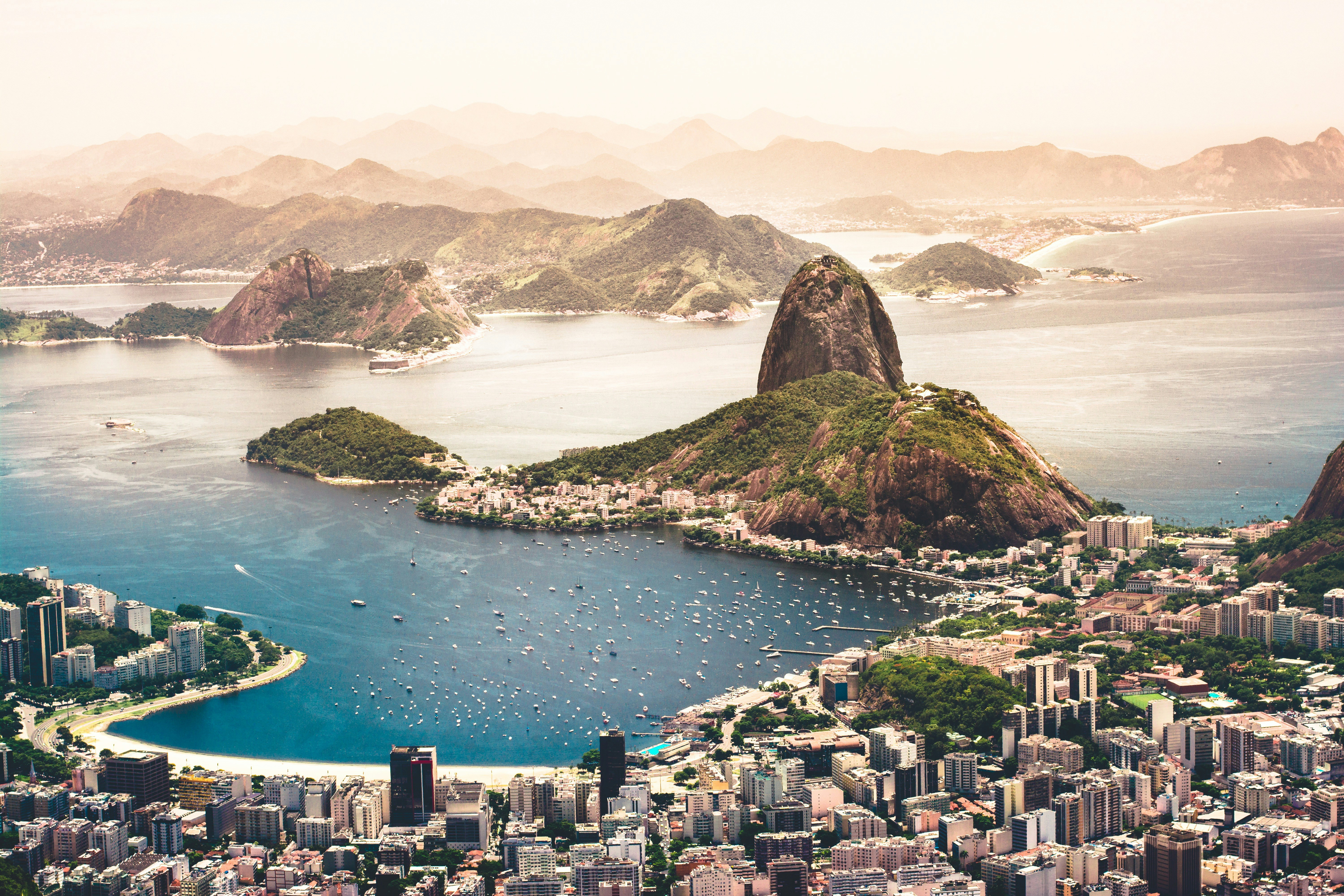
Brazil's iconic city curves around Guanabara Bay on the Atlantic coast of South America. Famous for Christ the Redeemer on Corcovado Mountain and Sugarloaf Peak. Located in the Southern Hemisphere.
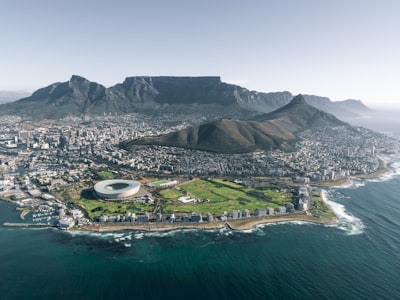
Near Africa's southern tip, Cape Town overlooks where the Atlantic and Indian Oceans meet. Dominated by the flat-topped Table Mountain, it's the "Mother City" of South Africa in the Southern Hemisphere.
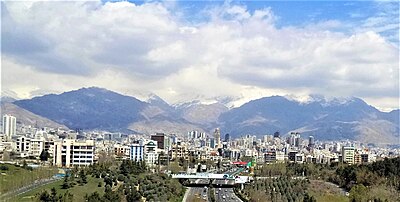
Iran's capital sits inland at 3,900 feet elevation at the foot of the Alborz Mountains, which rise to 18,000 feet. Though not coastal, Iran borders the Persian Gulf to the south and the Caspian Sea to the north.
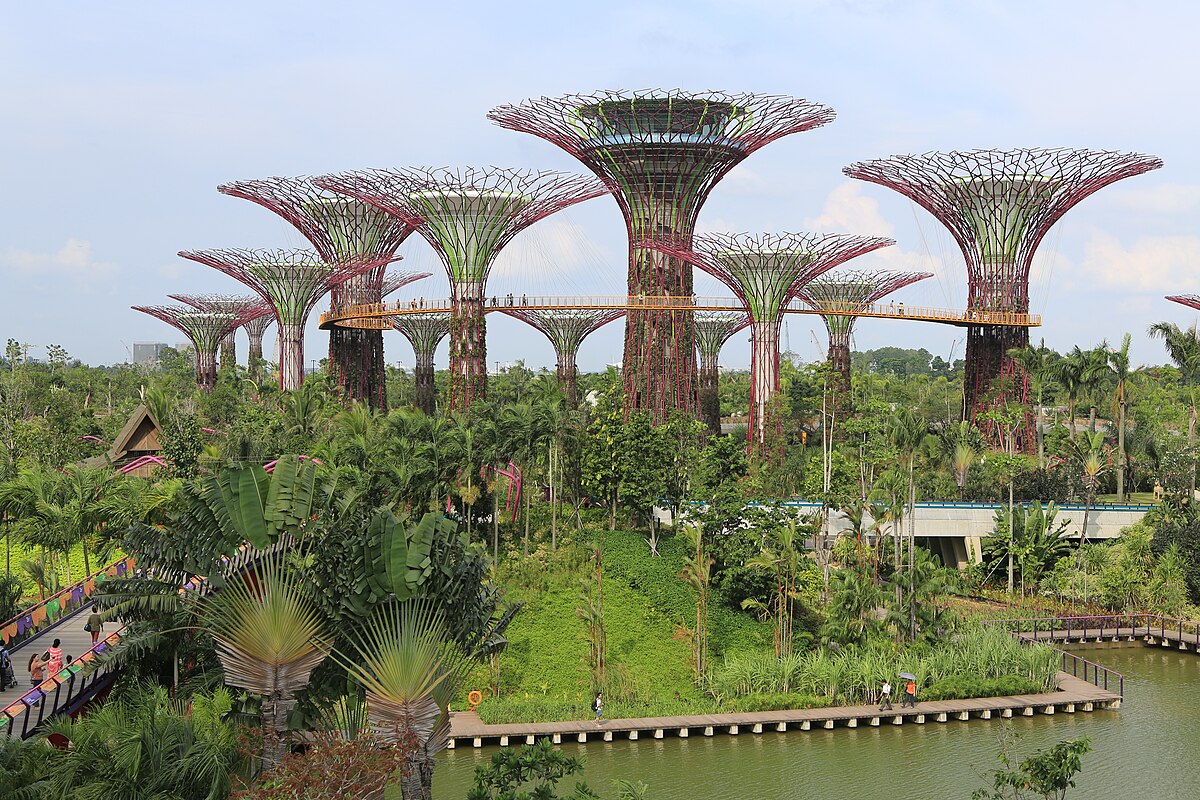
This island city-state sits at the southern tip of the Malay Peninsula, where the South China Sea meets the Indian Ocean via the Strait of Malacca—one of the world's busiest shipping lanes. Just 85 miles north of the Equator.
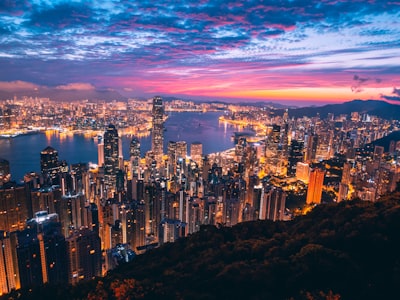
Hong Kong's famous skyline rises on an island overlooking Victoria Harbour—one of the world's deepest natural harbors on the South China Sea. Over 260 islands make up this special region of China.
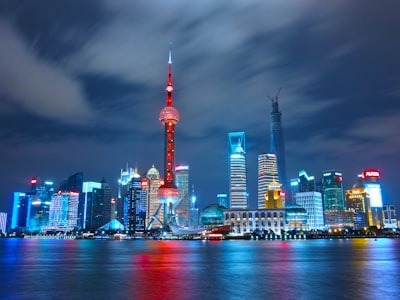
China's largest city sits where the mighty Yangtze River—Asia's longest at 3,900 miles—meets the East China Sea. Shanghai's port handles more cargo containers than any other port in the world.
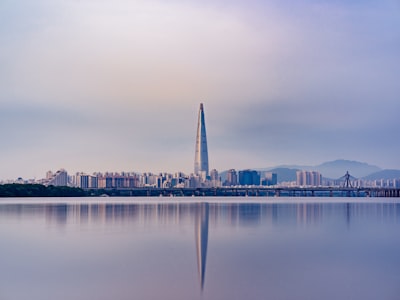
South Korea's capital straddles the Han River, which flows westward to the Yellow Sea. Korea's capital for over 600 years, Seoul is surrounded by mountains and lies just 35 miles from the North Korean border.
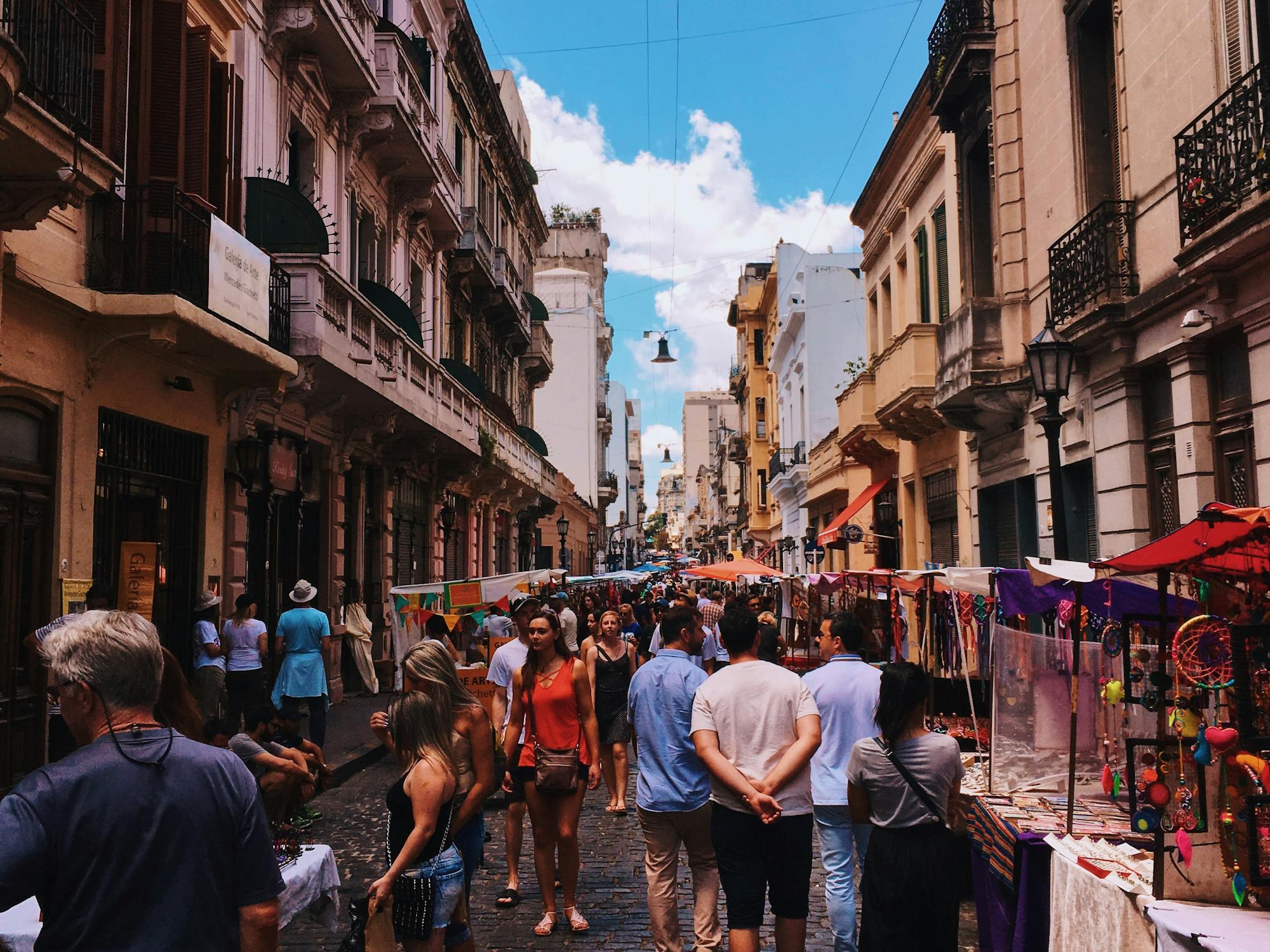
Argentina's capital sits on the western shore of the Río de la Plata, the widest river in the world. This massive estuary separates Argentina from Uruguay and opens to the Atlantic Ocean.
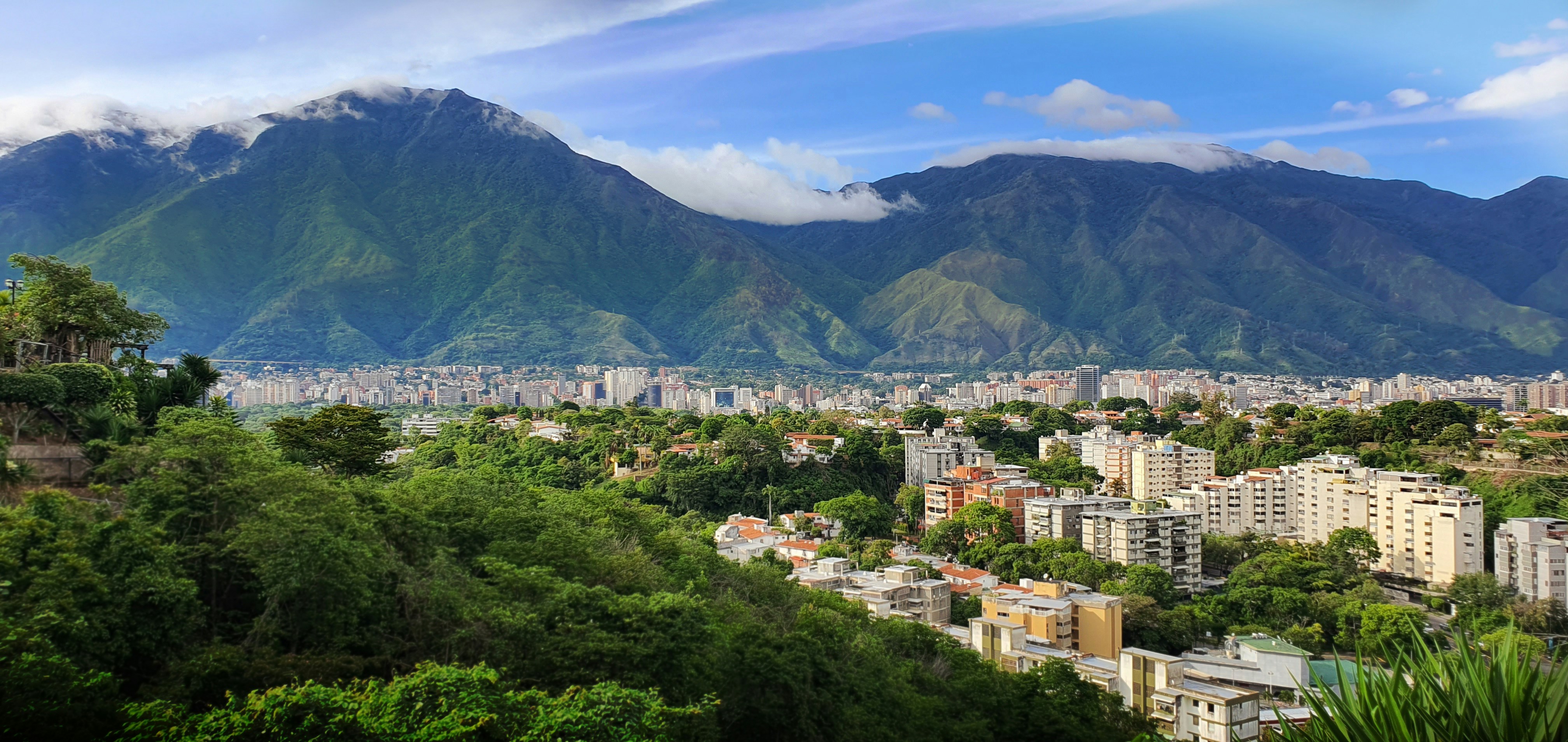
Venezuela's capital sits in a narrow mountain valley at 3,000 feet elevation, separated from the Caribbean Sea by the Ávila Mountain. One of the northernmost capitals in South America.